v2.0 Beta

Tocco Earth v2.0 beta now live - continuous evolution underway.

Bottle-Born Beauty: Sustonable’s PET & Glass Formula for Modern Interiors
CONSTRUCTION & BUILDING

Bottle-Born Beauty: Sustonable’s PET & Glass Formula for Modern Interiors

Discover how Sustonable transforms recycled PET and glass into stylish, sustainable surfaces—merging eco-innovation with high-end design and performance.

LvGLaurens van Graafeiland
Jun 5, 2025
14 mins read
9.8K views

1. Can you explain how Sustonable’s composition was developed and how it impacts its functionality and aesthetic qualities?

We started with quartz to offer a sustainable alternative to engineered stone by replacing the polyester resin with post-consumer recycled PET. We developed a proprietary extrusion process to achieve this. In recent years, we've focused on replacing quartz with recycled glass. The product retains the look and feel of stone and has strong properties due to its high mineral content.

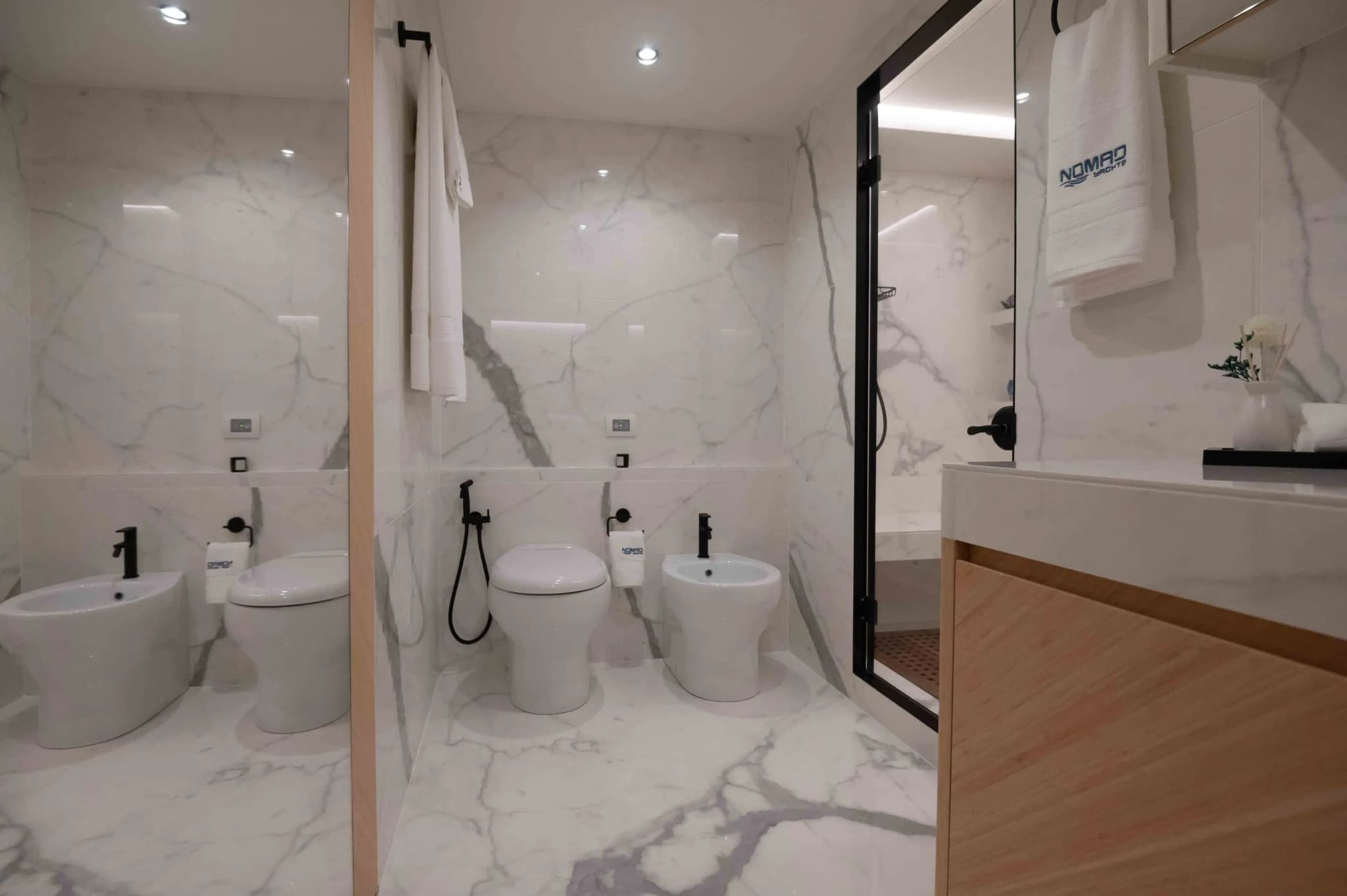
 Project: Gulfcraft – Nomad Yacht 101
Project: Gulfcraft – Nomad Yacht 101

2. What were the key challenges in sourcing and processing recycled PET bottles and glass, and how did you overcome them?

Recycled raw materials are not as readily available as virgin ones, and it's more difficult to maintain color stability. We addressed this by working closely with suppliers and providing them with precise specifications. We also set clear expectations with our customers about the natural variation in color that comes with using recycled inputs.

3. How does your production process ensure safety and sustainability without using VOCs or toxic chemicals?

Our Greenguard Gold certification validates that our process is VOC-free. This is because it's a physical mixing process of recycled PET and glass, unlike the chemical processes used in traditional engineered stones with unsaturated polyester or acrylic resins. The absence of toxic emissions makes it safe for indoor use, workers, and the environment.
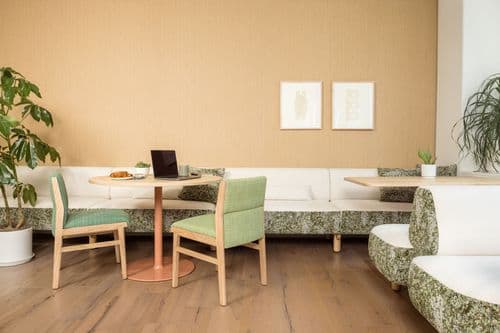
 Project by Sustonable
Project by Sustonable

4. How do you assess and track the environmental impact of your production, and what steps are you taking to improve sustainability?

We’ve revised the recyclability claim to 99%, acknowledging a small unavoidable margin. We have an Environmental Product Declaration (EPD)—EPD-IES-0022352:001—and follow ISO 9001, 14001, and 45001 standards to measure quality, environmental impact, and workplace safety.

5. How does the recycling process work in practice, and how is material integrity maintained through cycles?

Sustonable waste is collected, crushed into granulates, and reintroduced into new batches of raw materials, including recycled PET and glass. Each production batch is performance-tested, ensuring that material integrity is preserved even after recycling.
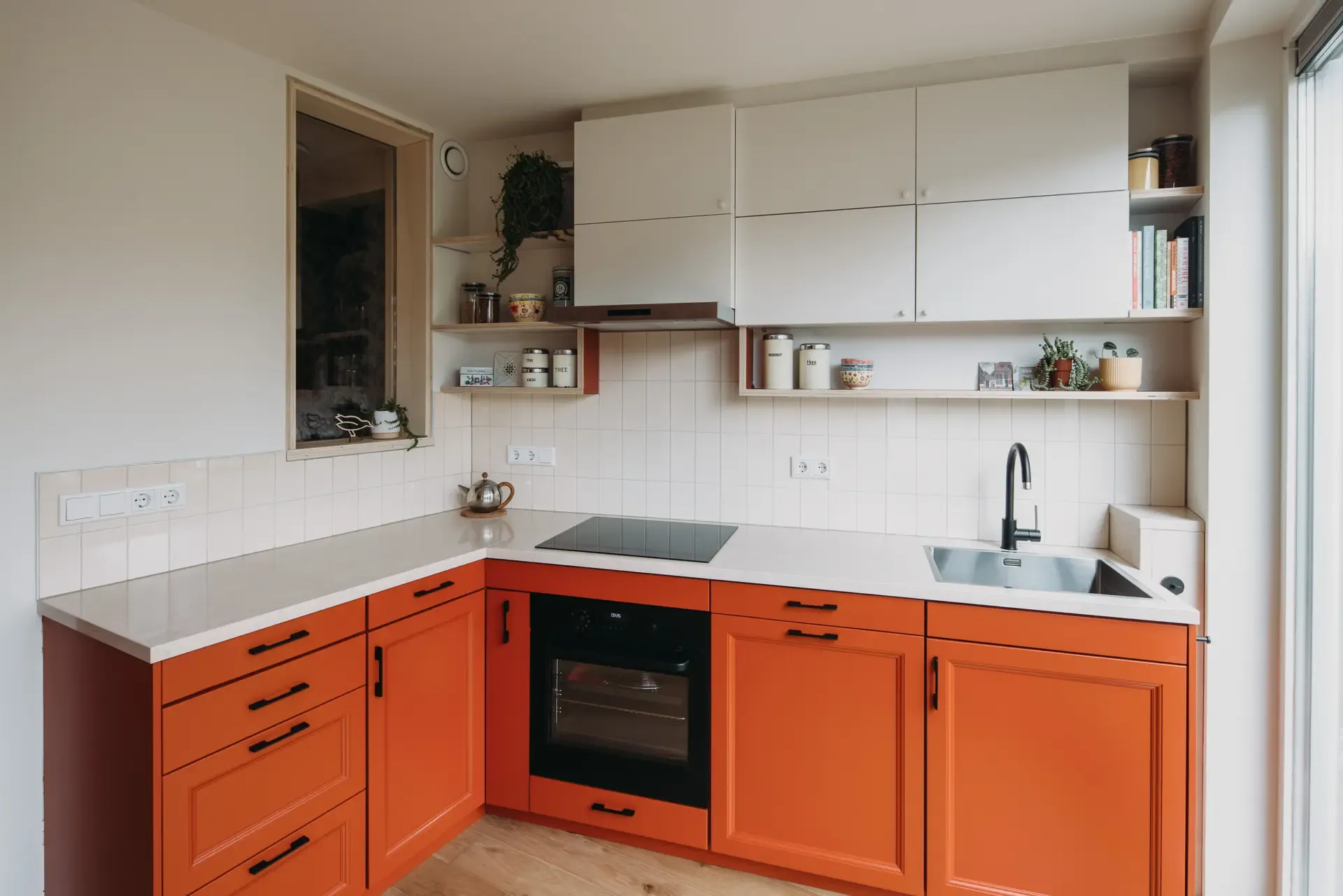
 Project by Sustonable
Project by Sustonable

6. How are different aesthetic effects such as marble or terrazzo achieved in Sustonable surfaces?

We use sublimation printing: the design is printed on paper, applied to the slab, and then sublimated into the surface through heat. This process allows flexible and customizable designs, ranging from stone to terrazzo effects.

7. How did you achieve a 70% reduction in raw materials, and what are the performance and cost implications?

Thanks to our continuous extrusion process, we use 70% fewer raw materials compared to engineered stone. Recycled PET contributes to high impact resistance, allowing us to produce thinner products (6–8 mm vs. 12–20 mm). We also require less slab calibration, improving cost-efficiency.
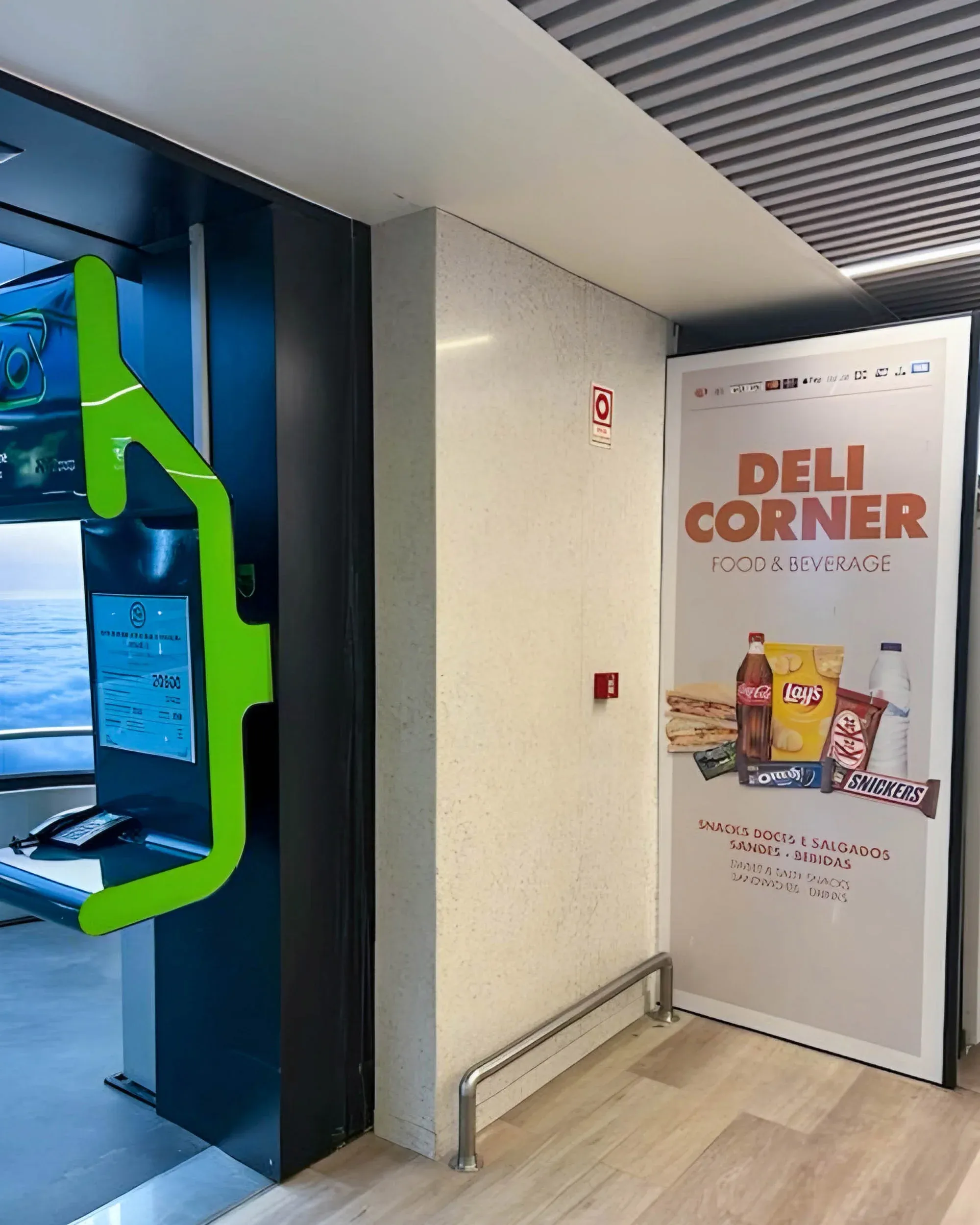
 Project: Lisbon Airport Terminal 1
Project: Lisbon Airport Terminal 1

8. What is the future of recycled materials in high-end design, and how does regulation play a role?

The Ecodesign for Sustainable Products Regulations under the EU Green Deal will enforce minimum recycled content in interior materials. We believe sustainability will become a key driver, even in the luxury segment.
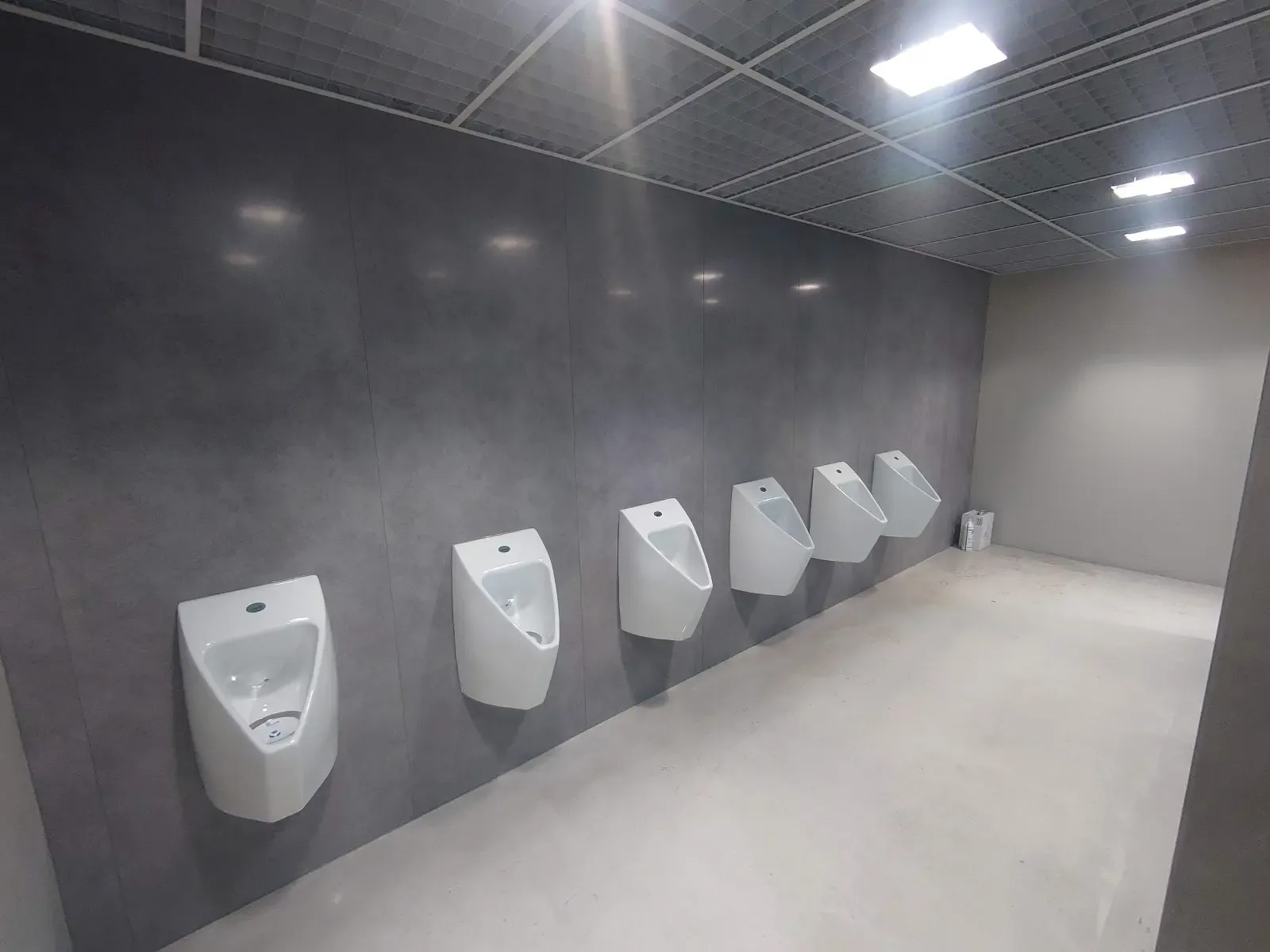
 Project: Amsterdam RAI Convention Center Restroom
Project: Amsterdam RAI Convention Center Restroom

9. What innovations are on the horizon for Sustonable?

We’re improving stain, scratch, and fire resistance to match ceramics and porcelain. We're also enhancing our design offerings, including Mosaic products and vanity tops, and are far along in developing a product with >85% recycled content.

Construction & BuildingInterior DesignRecycledGlass
LvG

Laurens van Graafeiland

Laurens van Graafeiland is the founder and CEO of Sustonable, a company he launched in 2014 with the vision to transform sustainable surfaces from concept to commercial reality. With a Master’s in Industrial Engineering and a background rooted in innovation, Laurens has grown Sustonable from lab-scale prototypes to full-scale production, now active across Europe, the US, and Türkiye. Under his leadership, the company has secured over €10 million in funding and was awarded a prestigious Horizon 2020 Phase 2 grant in 2019. Based in the Netherlands, Laurens lives with his partner and their two children

GALLERY

LATEST INSIGHTS

Discover all our latest reports

Tocco Report: Guide to Digital Product Passport
2030 Outlook
Regulation

Tocco Report: Guide to Digital Product Passport
2030 Outlook

This report by Tocco editorial team decodes all around the digital product passport ( DPP): the regulation’s structure, timelines, and global implications, translating policy into practical intelligence for manufacturers, designers, and policymakers preparing for the age of verifiable products

Tocco Report: FOSSIL-FREE FOAM 2030 Edition
Foam

Tocco Report: FOSSIL-FREE FOAM 2030 Edition

A data-driven report on non-petroleum foams across packaging, footwear, construction, and consumer goods. Defines “fossil-free,” benchmarks properties, maps certifications (EN 13432, ASTM, REACH/CLP, UL 94), profiles suppliers and case studies, and details costs, lead times, and risks, ending with a grounded 2026–2030 adoption outlook.

Tocco Report: RUBBER & ELASTOMER 2026 Edition
Rubber

Tocco Report: RUBBER & ELASTOMER 2026 Edition

Explore the future of rubber and elastomers in The Rubber & Elastomers 2026 Report by the Tocco Editorial Team. This in-depth analysis tracks the global shift from Hevea plantations to bio-based synthetics such as bio-EPDM, TPU, and guayule latex. It examines market data, regulations, and innovations shaping tyres, footwear, and medical goods. From EU deforestation rules to the rise of bio-monomers and circular materials, the report decodes how performance, compliance, and sustainability converge across the $300-billion rubber economy.

Tocco Report: Vietnam Industrial Stack 2030 Edition
Technical & Industrial

Tocco Report: Vietnam Industrial Stack 2030 Edition

Vietnam has outgrown its label as a low-cost assembly line. With exports topping US$405.5 billion in 2024, trade flows now more than double the size of its GDP. Global manufacturers from Samsung to Nike, Intel to Pouyuen, anchor supply chains here, while foreign capital stock has surged past US$322 billion, driving more than 70% of the country’s exports. Vietnam is no longer on the margins of globalization, it is embedded in its core. What makes this moment decisive is the shift from assembly to capability. From robotics and smart factories to biotech and advanced materials, Vietnam is stretching into higher-value terrain, even as weak supplier depth, rising wages, and energy constraints remain. The stakes are clear: execution will determine whether Vietnam cements its role as an industrial powerhouse or stalls at mid-value production. This report by the Tocco team maps that stack, offering a clear-eyed view of Vietnam’s industrial ascent and its limits.